Beyond OEM: How a Chinese Toy Manufacturer Built a $100 Premium Brand via Vertical Integration and 3C-Grade QC
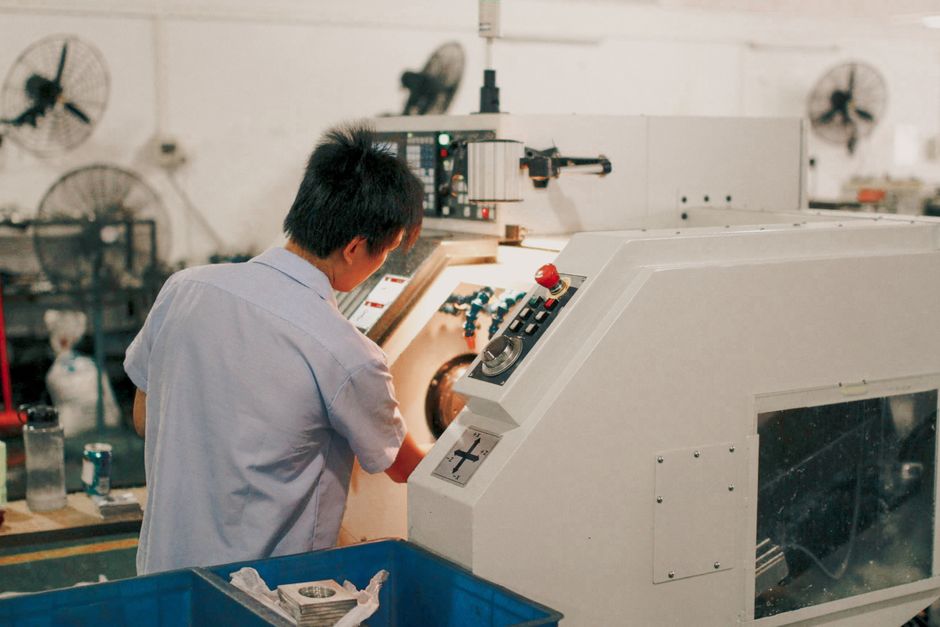
This case study examines Sichuan Chongker's strategic shift from traditional OEM to vertical integration, establishing in-house manufacturing to enforce rigorous quality standards. By applying consumer electronics-grade inspection protocols to plush toys and leveraging AI for product innovation, the company achieved high margins in the adult emotional economy segment. Key insights include supply chain localization in Western China, cost control mechanisms at scale, and differentiation strategies for premium export markets.
From Commodity to Category King: The Vertical Integration Playbook
In the global consumer goods landscape, few sectors are as saturated or margin-compressed as the toy industry. For decades, Western importers have relied on traditional manufacturing hubs in Guangdong and Jiangsu for low-cost, high-volume production. However, a new paradigm is emerging from Chengdu, Sichuan Province. Kupan Technology (Chongker), founded in 2019, has disrupted the market by positioning hyper-realistic plush toys not as children’s playthings, but as premium emotional companions for adults.
While the average retail price for standard plush toys in the US and EU markets hovers between $10 and $40, Kupan commands an average unit price of approximately $100. In 2024 alone, they moved roughly 400,000 units globally, with over 60% of their core demographic being adults aged 30–50. This case study deconstructs how a Chinese manufacturer bypassed the "race to the bottom" pricing trap through vertical integration, 3C-grade quality control, and AI-driven product innovation.
The Supply Chain Bottleneck: Why Outsourcing Failed
For foreign buyers accustomed to working with established OEMs, the decision to build proprietary manufacturing capacity may seem counterintuitive. Yet, Kupan’s journey illustrates a critical reality: standard supply chains cannot support premium differentiation.
Initially operating as a custom pet-design studio, Kupan quickly encountered the limitations of third-party factories in the Dongguan and Yangzhou clusters. These regions excel at mass-producing conventional plush items using legacy techniques. However, when Kupan attempted to source suppliers capable of achieving "hyper-realism"—a quality tier significantly above the market average—they faced immediate rejection or subpar execution.
- The Quality Gap: Industry veteran Zhang Qinyao noted that existing factory outputs scored around "40/100" against modern aesthetic standards. To capture the adult emotional economy, products needed to reach a "60-80/100" benchmark in realism, texture, and mechanical reliability.
- Process Rigidity: Traditional suppliers lacked the flexibility to modify stitching patterns, fabric blending, or internal weighting structures required for lifelike movement and sound emission.
- The Heavy Asset Decision: Recognizing that no external partner could meet these specifications, Kupan made the strategic pivot to build its own factory in 2020. This move shifted the business model from asset-light trading to heavy-asset manufacturing, absorbing significant initial risk but securing total control over the value chain.
Vertical Integration & Regional Synergies
Building a factory from scratch is capital-intensive and operationally complex. Kupan’s success in this phase was driven by two key factors: experienced leadership and regional industrial synergy.
The founding team possessed deep backgrounds in large-scale supply chain management, bringing expertise in lean manufacturing, visual management boards, and zero-to-one factory setup protocols. More importantly, they leveraged Chengdu’s position within China’s broader western textile and apparel belt.
Key Strategic Advantage: Proximity to Raw Materials
Unlike coastal manufacturers who must ship fabrics across provinces, Kupan sources high-quality synthetic fur, filling materials, and electronic components from local Sichuan-based suppliers. This reduces logistics lead times, lowers carbon footprint, and allows for rapid prototyping iterations—critical for maintaining agility in a fast-moving consumer goods sector.
As production volume crossed a specific threshold, economies of scale kicked in. By controlling upstream material procurement and downstream assembly, Kupan drove down unit costs while simultaneously elevating quality consistency, creating a moat that pure traders could not replicate.
Engineering Premium Value: The Three Pillars of Differentiation
How does a manufacturer justify a 3x-5x price premium over competitors? Kupan’s answer lies in treating plush toys as consumer electronics (3C products) rather than soft goods. Their product development strategy rests on three technical pillars:
1. Weighted Ergonomics for Psychological Comfort
Standard plush toys are often lightweight and hollow. Kupan introduced weighted designs using specialized filling ratios to mimic the heft and warmth of a living animal. This "deep pressure therapy" effect targets the adult demographic seeking stress relief and anxiety reduction, transforming the product from a decorative item into a functional wellness tool.
2. Advanced Haptics and Thermal Dynamics
To achieve hyper-realism, the company engineered internal heating elements and dynamic weight distribution. Unlike static stuffing, their designs allow for natural settling and shape retention after handling. This attention to tactile feedback ensures that the product feels authentic upon first touch, reducing return rates due to "perceived cheapness."
3. AI-Driven Interactivity
In 2025, Kupan launched smart-bionic cats equipped with AI interaction modules. These devices respond to voice commands and physical touch, adjusting behaviors such as tail wagging, head turning, and even simulated heartbeat sounds. This integration of IoT technology increased sales in their smart series by nearly 80%, proving that tech-enabled features can command significant premium pricing in the non-tech category.
Quality Control: Applying 3C Standards to Soft Goods
For international buyers, the biggest fear in sourcing from China is inconsistent quality. Kupan mitigates this by importing quality assurance protocols from the electronics industry.
- Strict Material Testing: Fabrics undergo rigorous testing for durability, colorfastness, and hypoallergenic properties, exceeding standard toy safety regulations.
- Electronic Component Reliability: Since many products contain motors, sensors, and batteries, QC processes mirror those used in smartphone manufacturing, including drop tests, waterproofing checks, and battery safety certifications.
- AQL Implementation: While specific AQL levels vary by defect severity, the internal tolerance for cosmetic flaws is significantly tighter than industry norms, ensuring that only "grade-A" units reach export containers.
Strategic Takeaways for Global Importers
The rise of companies like Kupan offers vital lessons for foreign brand owners and procurement managers looking to diversify their supply chains beyond traditional low-cost models:
- Prioritize Vertical Integration: Suppliers who control both design and manufacturing offer greater agility and quality consistency. Look for partners with in-house R&D and production capabilities, rather than pure trading companies.
- Target the "Emotional Economy": The adult market for comfort and wellness products is growing rapidly. Products that solve psychological needs (stress, loneliness) can sustain higher price points than commodity goods.
- Leverage Emerging Industrial Clusters: While Shenzhen and Guangzhou dominate electronics, inland cities like Chengdu are developing robust textile and light-manufacturing ecosystems with lower operational costs and strong regional synergies.
- Embrace Tech-Enabled Differentiation: Integrating simple AI or IoT features into traditional categories can create blue-ocean opportunities, allowing brands to escape direct price comparisons with generic competitors.
VettedChina recommends that buyers conduct thorough on-site audits when engaging with vertically integrated manufacturers. Verify not only the final assembly line but also the upstream material sourcing and R&D facilities to ensure long-term scalability and compliance.
Dispatch a Certified Quality Auditor to Your Factory for $199
Same-day dispatch across Guangdong, Zhejiang, and Jiangsu. Full 35-page PDF report with 60+ photos delivered within 24 hours.