Christmas Sourcing Alert: Key US Design Patents to Avoid for Holiday Decorations
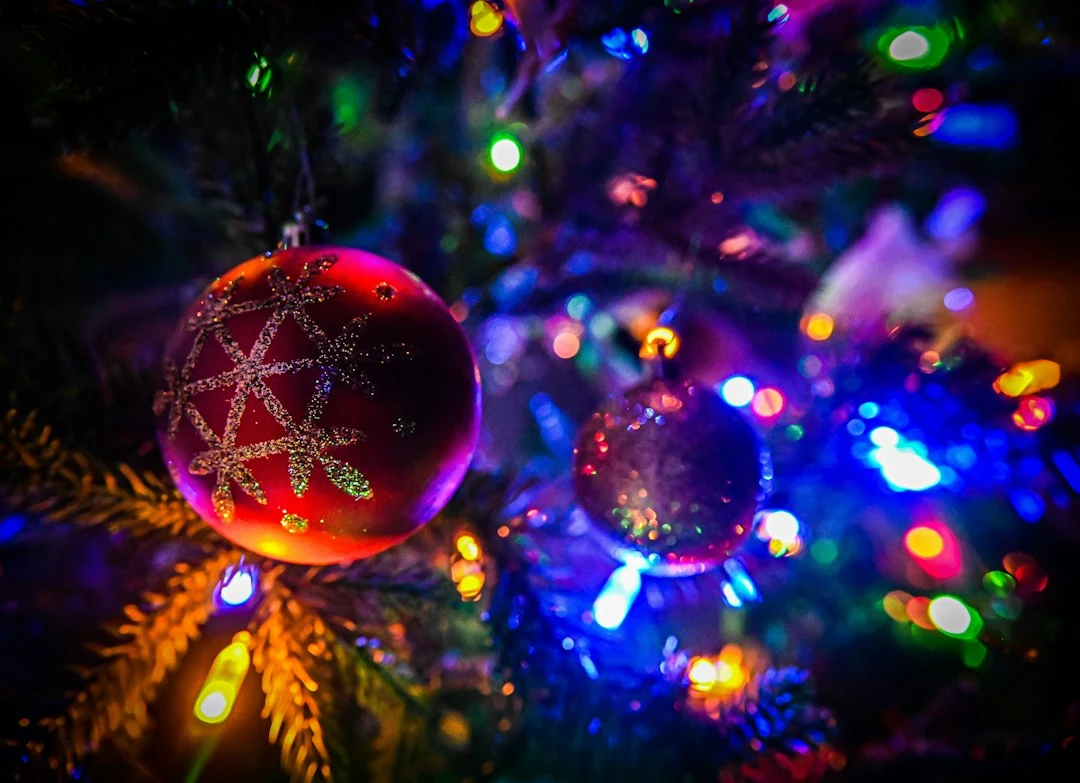
Foreign importers must verify design patents before placing orders for seasonal merchandise. This article highlights specific high-risk items including Christmas tree lights, reindeer glass decals, flame floor lamps, bows, and inflatable Santa models with pending or granted USPTO design patents. Sourcing these unlicensed designs risks product seizure by US Customs and potential litigation. Buyers should conduct thorough IP clearance checks on suppliers offering these popular holiday decorations to ensure compliance and supply chain safety.
Executive Summary: Navigating US Design Patent Risks for Holiday Inventory
As global brands and importers prepare their Q4 holiday merchandise, the intersection of supply chain efficiency and intellectual property (IP) compliance has never been more critical. While China remains the dominant hub for seasonal decoration manufacturing, relying on generic supplier catalogs poses significant legal risks. Recent data from the United States Patent and Trademark Office (USPTO) reveals a surge in design patents granted to specific aesthetic configurations of holiday items. For procurement teams, this means that "off-the-shelf" products often carry hidden liabilities.
This guide highlights eight recently issued US design patents relevant to Christmas sourcing. Importers must conduct rigorous Freedom-to-Operate (FTO) checks before placing bulk orders. Failure to do so can result in customs seizures, inventory destruction, and costly litigation. The following analysis breaks down high-risk categories, providing actionable intelligence for your sourcing strategy.
High-Risk Category I: Illuminated Decor & Lighting Fixtures
The lighting sector is particularly vulnerable to design patent infringement due to the highly visual nature of the products. Two distinct patent families have emerged targeting specific structural aesthetics in both indoor and outdoor lighting applications. Sourcing managers must verify if their current suppliers are producing these exact silhouettes or functional designs.
1. Standard Tree String Lights (Patent USD1149115S)
- Product Description: Traditional Christmas tree light strings.
- Patent Details: Filed April 26, 2025; Granted September 22, 2026.
- Risk Assessment: This patent covers the specific ornamental design of the lamp unit. If your supplier is using molds that match this patented shape, you are at risk. Generic LED bulbs may be safe, but unique bulb shapes, wire configurations, or connector designs protected by this patent require licensing or avoidance.
2. Christmas Tree-Specific Lighting (Patent USD1136288S)
- Product Description: Specialized lights designed for Christmas trees.
- Patent Details: Filed May 16, 2025; Granted July 21, 2026.
- Risk Assessment: Distinct from general string lights, this patent targets the specific application and form factor for tree decoration. Ensure your product specifications explicitly differentiate from this design, particularly regarding the curvature, spacing, and attachment mechanisms of the lights.
3. Flame-Effect Ground Lights (Patents USD1149138S & USD1149137S)
- Product Description: Outdoor ground lighting units simulating flame effects.
- Patent Details: Both filed May 2, 2025; Granted September 22, 2026.
- Risk Assessment: There are two separate patents covering similar "flame ground light" concepts. This indicates a crowded IP landscape for this trending product category. Importers must scrutinize the housing shape, lens texture, and base design. Even minor deviations may not suffice if the overall visual impression matches the patented claims. Dual-patent coverage increases the likelihood of enforcement actions.
High-Risk Category II: Inflatable Figures & Large-Scale Displays
Inflatable decorations are a staple of outdoor holiday displays. However, the specific character proportions and pose configurations are frequently protected. The recent grants highlight strict protections around the iconic Santa Claus figure, which is heavily targeted by rights holders.
4. Inflatable Santa Claus Models (Patents USD1111906S & USD1109007S)
- Product Description: Large-scale inflatable Santa Claus figures.
- Patent Details:
- USD1111906S: Filed July 10, 2024; Granted February 10, 2026.
- USD1109007S: Filed August 23, 2024; Granted January 13, 2026.
- Risk Assessment: With two active patents covering different aspects of inflatable Santa designs, this is a high-alert zone. The patents likely cover variations in facial features, suit detailing, hat shape, or body posture. Suppliers offering "generic" Santas may inadvertently infringe on one of these designs. Request detailed technical drawings from your factory and compare them against the USPTO images for both patents.
High-Risk Category III: Niche Decorative Elements & Accessories
Beyond major fixtures, smaller decorative items such as decals, bows, and stickers are also subject to design protection. These low-cost items are often overlooked in IP audits but can lead to aggregate liability issues across large SKUs.
5. Glass Decals with Reindeer Motifs (Patent USD1148877S)
- Product Description: Glass decal featuring reindeer designs.
- Patent Details: Filed October 30, 2025; Granted September 22, 2026.
- Risk Assessment: Window clings and decals are popular for retail windows and home decor. This patent protects the specific artistic rendering of the reindeer. If your design team uses stock vector art or supplier-provided templates, ensure they do not replicate the protected line work or silhouette of this specific reindeer design.
6. Ornamental Bow Designs (Patent USD1133998S)
- Product Description: Decoration bow.
- Patent Details: Filed May 20, 2025; Granted July 14, 2026.
- Risk Assessment: Bows are ubiquitous in gift wrapping and tree ornaments. This patent suggests that specific knot structures, loop arrangements, or ribbon textures are protected. Avoid using identical mold designs for plastic or fabric bows without verifying clearance. Customizing the bow's geometry is essential to mitigate risk.
Strategic Action Plan for Procurement Teams
To protect your brand and supply chain integrity, implement the following steps immediately:
- Conduct Immediate FTO Analysis: Cross-reference your current Q4 purchase orders against the patent numbers listed above. Engage legal counsel or use automated IP screening tools to check for potential infringement.
- Supplier Vetting & Contractual Protection: Update your standard purchasing agreements to include robust indemnification clauses. Require suppliers to warrant that their products do not infringe on third-party IP rights, specifically design patents. Demand proof of non-infringement for high-risk items.
- Differentiate Your Product Design: Instead of sourcing generic items, invest in custom tooling or design modifications. Small changes in silhouette, pattern, or component arrangement can often navigate around design patent claims. Work with OEM/ODM partners who specialize in innovative design rather than copycat production.
- Monitor USPTO Updates: Design patent grants are public records. Set up alerts for keywords like "Christmas," "Light," "Inflatable," and "Decoration" to stay ahead of new filings. Early detection allows for pivot strategies before inventory is shipped.
Conclusion
The Chinese manufacturing ecosystem is vast, but it is also legally complex. As demonstrated by the recent wave of design patents in the holiday sector, aesthetic innovation is being aggressively protected. Global buyers must shift from a purely cost-driven sourcing model to a risk-aware strategy. By prioritizing IP compliance and working with vetted manufacturers who respect intellectual property laws, you safeguard your brand reputation and ensure smooth customs clearance for your holiday inventory.
Dispatch a Certified Quality Auditor to Your Factory for $199
Same-day dispatch across Guangdong, Zhejiang, and Jiangsu. Full 35-page PDF report with 60+ photos delivered within 24 hours.