Desktop UV Printing Revolution: Manufacturing Trends and Sourcing Insights from China's Top Innovators
This article analyzes the shift of desktop UV printers from industrial B2B tools to consumer-grade devices, highlighting key manufacturing advancements by Chinese leaders like Anker. It offers valuable sourcing intelligence for Western buyers on emerging personalization technologies, supply chain dynamics, and product customization capabilities in the global market.
Desktop UV Printing Revolution: Manufacturing Trends and Sourcing Insights from China's Top Innovators
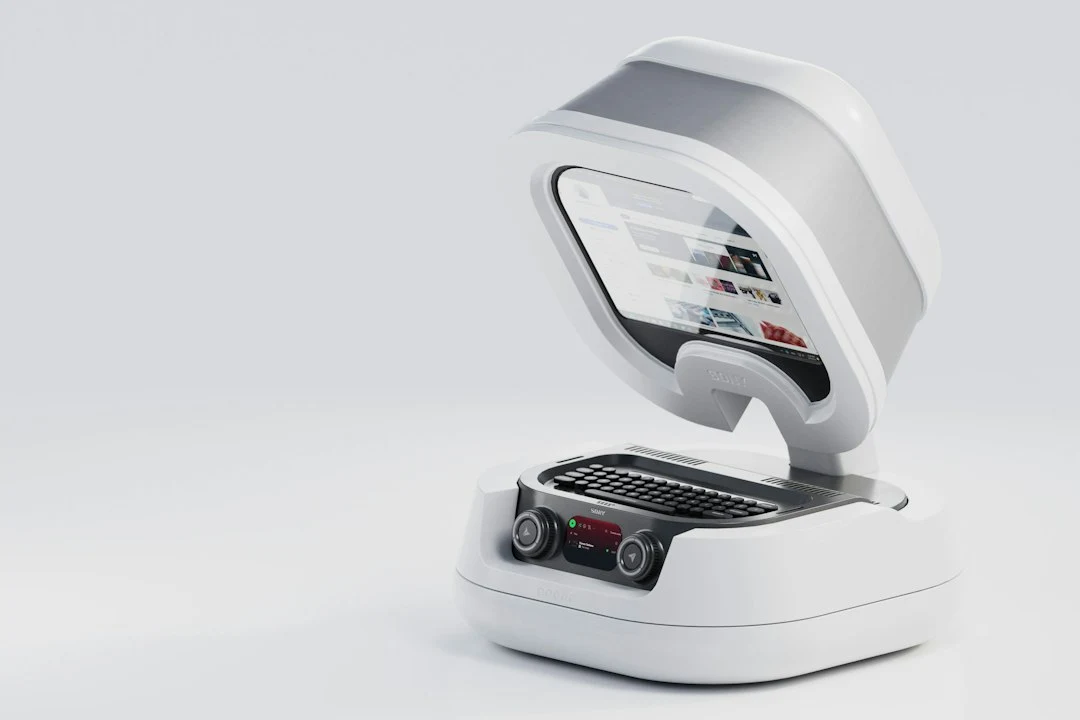
The global landscape of desktop manufacturing is undergoing a seismic shift. At the recent IFA exhibition in Berlin, Desktop UV Printers emerged not merely as niche gadgets, but as the definitive focal point of consumer electronics innovation. Booths were packed with buyers examining high-fidelity prints on diverse substrates—from wood and glass to leather and metal—demonstrating a level of accessibility previously reserved for industrial facilities.
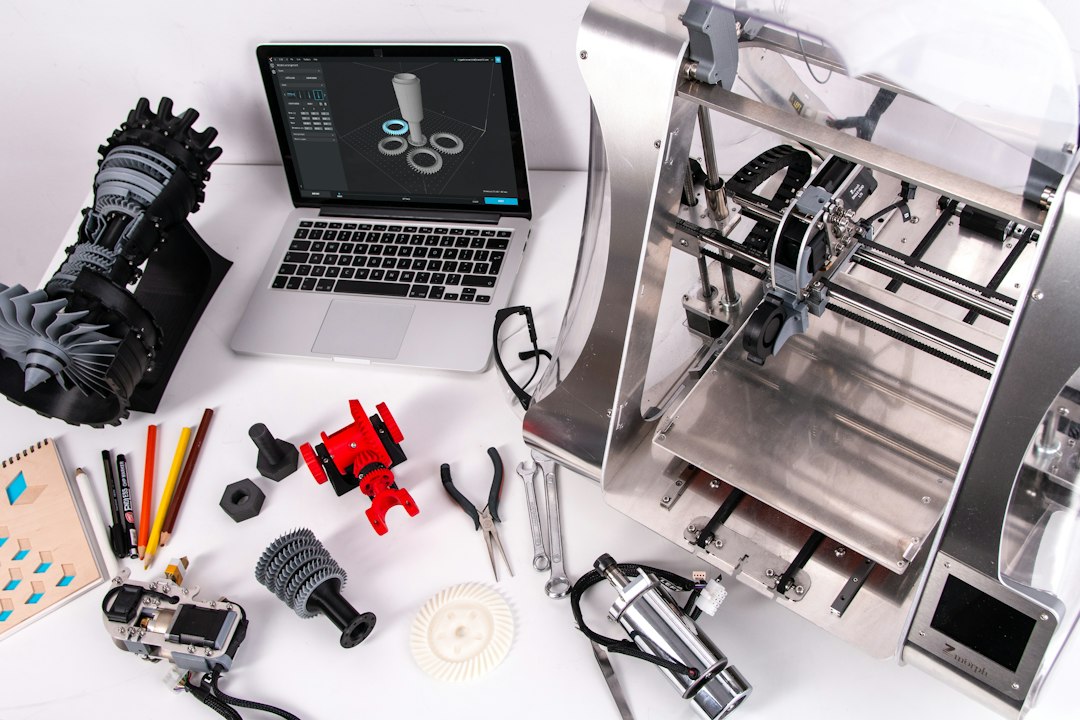
This phenomenon mirrors the earlier disruption caused by 3D printers. Chinese manufacturers are applying "consumer electronics logic" to heavy industrial machinery, transforming bulky, expensive OEM tools into sleek, user-friendly, and cost-effective desktop solutions. For global brand buyers and importers, this represents a critical juncture in supply chain strategy: the democratization of personalized manufacturing.
Market Validation: The Crowdfunding Explosion and Demand Signals
Before committing to bulk procurement or private labeling, savvy importers must analyze market validation data. The past twelve months have provided undeniable proof of concept through record-breaking crowdfunding campaigns, signaling robust international demand for desktop UV printing technology.
- AnkerMake (eufy) E1: Launched on Kickstarter, this device shattered records by raising over $4.67 million from nearly 18,000 backers within minutes of its campaign launch. This validates the mass-market appeal of high-quality, easy-to-use desktop printing.
- Ruyuan Technology’s Morpho: Following shortly after, this competitor raised over $9 million in just 48 hours, eventually surpassing $10 million. This rapid capital influx indicates intense investor confidence in the sector's growth trajectory.
As the initial hype cycle for 3D printing stabilizes, UV printing is positioning itself as the next major battleground for DTC (Direct-to-Consumer) brands. The ability to print directly onto irregular surfaces without pre-treatment offers a significant competitive advantage for custom merchandise, promotional items, and personalized gifts.
Industrial Evolution: From Heavy Machinery to Consumer Electronics Design
For sourcing managers, understanding the technological evolution of these machines is crucial for evaluating supplier capabilities. Traditional UV printers were large-format, industrial-grade units requiring specialized environments. Today’s top-tier Chinese manufacturers are re-engineering these systems with a focus on:
- Miniaturization & Aesthetics: Adopting the design language of premium consumer electronics (similar to Apple or Dyson products) to fit home offices and small workshops.
- Plug-and-Play Simplicity: Integrating intuitive software interfaces that allow non-technical users to produce professional-grade results in under three minutes.
- Versatility Across Substrates: The term "Universal Printer" is well-deserved. Modern desktop UV units can handle rigid materials (acrylic, metal, wood) and flexible materials (leather, PVC) with consistent curing quality.
Sourcing Insight: When evaluating potential OEM/ODM partners, prioritize factories that demonstrate R&D capability in both hardware miniaturization and software integration. Pure assembly houses may lack the engineering depth required for reliable long-term performance.
Quality Control & Inspection Standards: Mitigating Supply Chain Risks
While the market demand is clear, the complexity of UV printing introduces specific quality risks that must be managed during the sourcing process. Unlike standard injection-molded goods, UV printers involve complex electro-optical components (lasers, inkjet heads, curing lamps). Rigorous Quality Assurance (QA) is non-negotiable.
Key QC Checkpoints for Desktop UV Printers
- Ink System Integrity: Inspect for nozzle clogging, ink flow consistency, and color calibration accuracy. Defective printheads are the most common cause of early failure.
- Curing Efficiency: Verify that the UV LED array provides uniform intensity across the entire print bed. Inconsistent curing leads to peeling ink or poor adhesion on non-porous surfaces.
- Mechanical Precision: Test the X-Y axis movement for jitter or misalignment. High-resolution prints require micron-level precision in stepper motors and guide rails.
- Software Stability: Conduct stress tests with large, complex files to ensure the control software does not crash or corrupt data during transmission.
AQL Implementation Strategy: For bulk orders, implement an Acceptable Quality Limit (AQL) inspection focusing heavily on functional testing rather than just cosmetic appearance. Randomly select units from the production line and perform full-cycle print jobs on various materials (glass, metal, plastic) to verify real-world performance before shipment approval.
Strategic Sourcing Advice for Global Importers
To capitalize on this trend while minimizing risk, importers should adopt a structured approach to vendor selection and contract negotiation.
1. Diversify Your Supplier Base
Do not rely on a single factory. Identify at least two primary suppliers: one focused on high-end, feature-rich models for premium markets, and another offering cost-optimized solutions for volume-driven segments. Visit their factories in Shenzhen, Dongguan, or Yiwu to assess their assembly lines and testing protocols firsthand.
2. Verify Component Sourcing
Ask your suppliers for a Bill of Materials (BOM) breakdown. Key components such as printheads (Epson, Ricoh, etc.) and UV lamps should come from reputable Tier-1 suppliers. Factories using unbranded or generic components may offer lower prices but will suffer from higher return rates and warranty costs.
3. Localize After-Sales Support
Electronics require support. Ensure your contract includes provisions for spare parts kits (nozzles, filters, lamps) included in the first batch of shipments. Consider partnering with a third-party service provider in your target market for local repairs, reducing the burden on your own customer service team.
4. Monitor Regulatory Compliance
UV printers emit ozone and volatile organic compounds (VOCs). Ensure your products comply with CE, FCC, and RoHS standards in your target regions. Request valid test reports from accredited laboratories (such as SGS or TÜV) to avoid customs clearance issues.
About VettedChina: We specialize in connecting global brands with verified, high-capacity manufacturing partners in China. Our rigorous vetting process ensures that your suppliers meet international quality, ethical, and compliance standards. Contact us today to streamline your sourcing journey for emerging tech categories like Desktop UV Printing.
Dispatch a Certified Quality Auditor to Your Factory for $199
Same-day dispatch across Guangdong, Zhejiang, and Jiangsu. Full 35-page PDF report with 60+ photos delivered within 24 hours.