DJI's Amflow E-Bikes: Sourcing High-End Chinese Manufacturing for the European Market
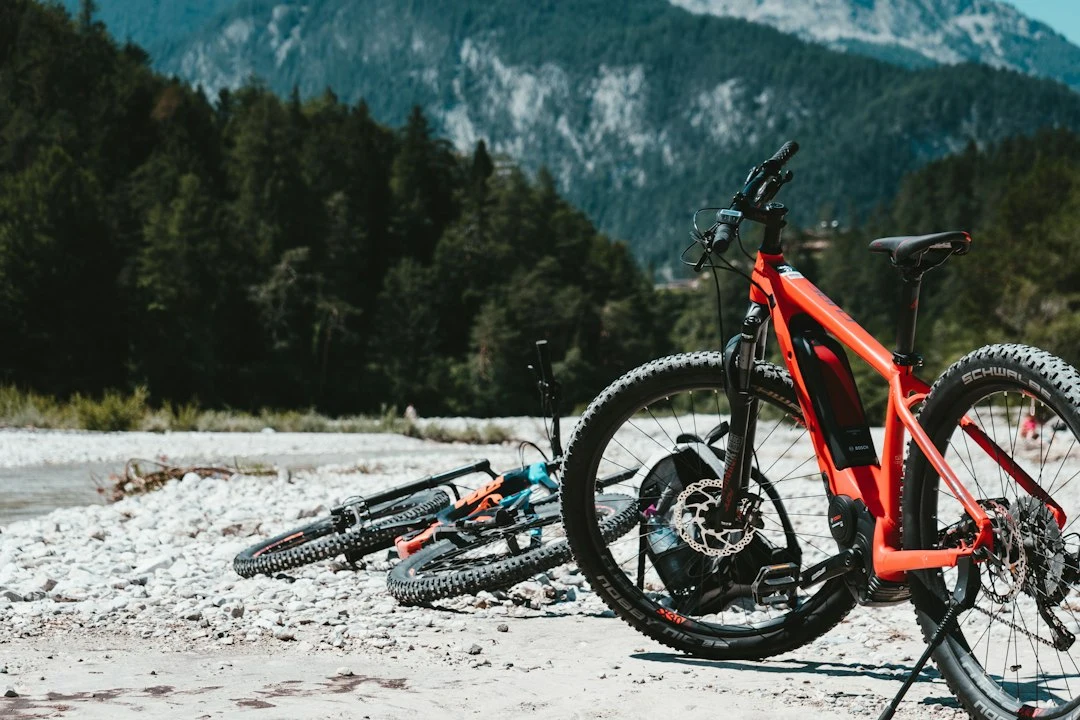
Amflow, backed by DJI, targets Europe's premium e-MTB sector with high-tech integrated drive systems. This case study reveals how Chinese manufacturers are leveraging R&D to compete with established Western brands, offering insights into supply chain innovation and product quality for international buyers seeking advanced electric mobility solutions.
The Strategic Shift: From Component Supplier to Vertical Integration
For global procurement officers and brand buyers, the emergence of Amflow represents a critical case study in supply chain evolution. Historically, Western e-bike brands relied on established Tier-1 suppliers like Bosch or Shimano for their powertrain systems. However, the traditional bicycle industry operates on a rigid 18-to-24-month development cycle, creating significant barriers for new technology entrants.
Amflow’s parent company, DJI, initially aimed to enter the market as a pure-play component supplier via its Avinox system. Yet, they encountered a structural bottleneck: securing placement in existing OEM supply chains required years of validation. To bypass this friction and accelerate time-to-market, DJI made a decisive strategic pivot—launching Amflow as a direct-to-consumer (DTC) end-product brand. This vertical integration allowed them to:
- Rapid Iteration: Bypass the slow legacy approval processes by controlling the entire product lifecycle from R&D to final assembly.
- Data Feedback Loop: Gain immediate, real-world performance data from premium users to refine motor algorithms and battery management systems (BMS).
- Brand Premiumization: Establish a high-end positioning immediately, avoiding the "race to the bottom" price wars common in lower-tier manufacturing hubs.
Decoding the $7,000 Price Tag: Value Engineering vs. Cost Cutting
A retail price of €6,499 (~$7,000 USD) places Amflow firmly in the luxury segment, competing with Specialized and Trek. For importers, understanding how Chinese manufacturers justify such premiums is essential. It is not merely about branding; it is about superior Bill of Materials (BOM) engineering and rigorous quality control.
The core value proposition lies in the Avinox drive unit. Unlike generic motors found in budget e-bikes, this system integrates proprietary software algorithms that mimic natural human pedaling cadence. The manufacturing complexity involves:
- Precision Casting & Machining: High-grade aluminum alloys processed with CNC precision to reduce weight while maintaining structural integrity.
- Advanced Battery Management: Cells sourced from top-tier Japanese or Korean suppliers, managed by sophisticated PCBs that prevent thermal runaway and extend cycle life.
- Software-Hardware Synergy: Continuous OTA updates that improve efficiency over time, a feature rarely seen in standard Asian-manufactured bikes.
Procurement Insight: When sourcing high-end goods, do not focus solely on unit cost. Evaluate the manufacturer’s ability to integrate hardware and software. A cheaper motor may save 15% on COGS but will result in higher warranty claims and brand damage in mature markets like Germany or France.
Quality Assurance & AQL Standards for Premium E-Bikes
Sourcing from China requires robust Quality Control (QC) protocols, especially for high-voltage products. Amflow’s success suggests a manufacturing partner that adheres to strict international standards. For buyers looking to replicate this success, the following QC benchmarks are non-negotiable:
| Inspection Stage | Critical Focus Area | Acceptable Quality Limit (AQL) |
|---|---|---|
| Incoming Material Control (IMC) | Battery cell consistency, motor winding tolerance, frame alloy certification | Critical: 0 Major: 0.65 Minor: 1.5 |
| Production Line Audit (DIP) | Welding quality, torque specifications on critical bolts, electrical insulation testing | Critical: 0 Major: 1.0 Minor: 2.5 |
| Final Random Inspection (FRI) | Functional test (ride-out), cosmetic finish, packaging integrity, CE/UL documentation | Critical: 0 Major: 0.65 Minor: 1.5 |
Key Risk Mitigation: Ensure your factory performs a 100% functional test on every unit before packing. For e-bikes, a single defective battery cell can lead to catastrophic failure. Do not rely solely on statistical sampling for safety-critical components.
Actionable Sourcing Strategies for Global Buyers
The Amflow phenomenon signals a broader trend: Chinese manufacturers are moving up the value chain. They are no longer just assembling frames; they are developing core intellectual property (IP). Here is how savvy buyers should adapt their sourcing strategies:
- Vet for R&D Capability, Not Just Capacity: Visit factories and ask about their internal R&D team size. Look for partners who have in-house engineers capable of modifying motor controllers or battery packs, rather than those who simply follow your blueprints.
- Verify Supply Chain Transparency: Demand full disclosure of sub-suppliers, particularly for batteries and chips. Geopolitical risks and raw material volatility require you to know exactly where your components originate.
- Implement Pre-Shipment Engineering Reviews: Before mass production begins, conduct a Design for Manufacturability (DFM) review. Identify potential assembly bottlenecks or quality risks early to avoid costly rework during the peak season.
- Focus on After-Sales Infrastructure: High-end products require high-end support. Ensure your manufacturing partner has a clear protocol for spare parts distribution and technical training for local service centers in Europe or North America.
Conclusion: The era of cheap, low-quality e-bikes is ending. The future belongs to brands that leverage Chinese manufacturing excellence in electronics and materials science to deliver premium, reliable products. By focusing on vertical integration, rigorous QC, and strategic partnerships, buyers can capture the growing demand for high-performance mobility solutions.
Dispatch a Certified Quality Auditor to Your Factory for $199
Same-day dispatch across Guangdong, Zhejiang, and Jiangsu. Full 35-page PDF report with 60+ photos delivered within 24 hours.