Shunde Home Appliance Cluster: Sourcing Insights from China's Leading Small Appliance Manufacturing Hub
Explore the Shunde industrial belt, a global hub for small appliances including coffee makers, rice cookers, and air purifiers. This article analyzes the region's robust supply chain ecosystem, high local配套 rates, and the strategic shift from OEM to brand-driven innovation. Key insights for importers include understanding production adaptability, cost structures, and quality control in one of the world's largest appliance manufacturing bases.
The Shunde Advantage: Decoding China’s Premier Small Appliance Manufacturing Ecosystem
For global procurement leaders and brand buyers, understanding the geography of Chinese manufacturing is no longer optional—it is a strategic imperative. While many sourcing hubs are known for single-product specialization, Shunde (Foshan) stands apart as the undisputed capital of small home appliances. Since its inception in the 1970s with the first desktop electric fan, Shunde has evolved into a $40 billion industrial powerhouse, accounting for approximately 15% of China’s total home appliance output and 10% of national exports.
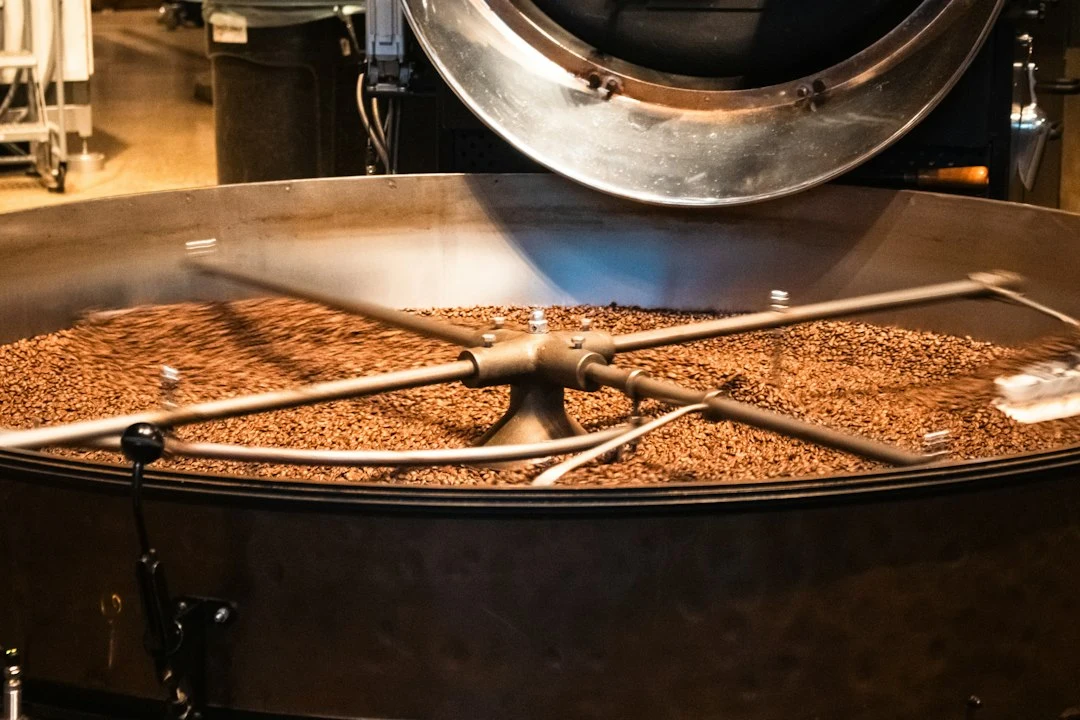
The region’s competitive moat lies in its unprecedented supply chain density. With over 3,000 established manufacturers and component suppliers within a concentrated radius, Shunde offers a local matching rate of up to 80%. This ecosystem produces nearly 80% of the world’s coffee machines, with one out of every three exported units originating from Shunde alone. For importers, this translates to unparalleled speed-to-market, cost efficiency, and the ability to scale complex OEM/ODM projects with minimal logistical friction.
From Volume to Value: Navigating the Shift in Global Demand
The era of competing solely on low-cost volume is ending. In the first half of 2026, retail sales of kitchen small appliances in China dropped by 14.6%, yet average prices rose by 11.5%. This “volume contraction, price appreciation” trend signals a fundamental shift in buyer behavior: consumers are prioritizing quality, innovation, and brand value over mere affordability.
For foreign brands, this presents a critical opportunity to partner with Shunde-based manufacturers who are transitioning from passive contract manufacturing to active product definition. Leading factories in the region are no longer just executing blueprints; they are leveraging deep R&D capabilities to co-create products that meet specific Western market standards. Buyers must evaluate their suppliers not just on production capacity, but on their ability to innovate, adapt to fragmented order sizes, and navigate the complexities of global compliance.
Supply Chain Resilience: The “Half-Hour Closed Loop”
The most significant advantage Shunde offers to international buyers is its “half-hour closed-loop” supply chain. Unlike other manufacturing clusters where components are sourced from disparate regions, Shunde integrates mold making, injection molding, motor production, electronic control boards, and final assembly within a tight geographic cluster.
- Rapid Prototyping: Engineers can source critical components—such as NTC sensors, heating elements, and PCBs—from suppliers located in the same industrial park or even the same building. This proximity reduces lead times for prototyping and iteration by weeks compared to other hubs.
- Cost Control: By minimizing logistics costs and inventory buffers between stages, manufacturers can offer more competitive FOB pricing without compromising on material quality.
- Quality Consistency: Direct oversight of upstream suppliers allows for tighter quality control at the source, reducing the risk of defects caused by third-party logistics or miscommunication between distant vendors.
This integrated model empowers manufacturers to respond swiftly to design changes—a crucial capability for brands launching seasonal products or adapting to rapid consumer trends. However, it also requires buyers to be highly specific in their technical specifications early in the engagement process.
Strategic Sourcing & Quality Assurance: Mitigating Risks in OEM Partnerships
As Shunde manufacturers move up the value chain, the nature of the buyer-supplier relationship is changing. Traditional OEM models, where factories simply follow client drawings, are giving way to ODM collaborations where factories contribute intellectual property. To mitigate risks associated with this shift, global buyers must implement rigorous quality assurance protocols.
1. Define Clear Ownership and IP Protections
When working with innovative Shunde factories, clearly define Intellectual Property rights in contracts. Ensure that any custom molds, software code, or unique design features developed during the partnership remain the property of the brand owner. Conduct regular audits to ensure that proprietary designs are not being leaked to competitors.
2. Implement Rigorous AQL Sampling Standards
Given the high complexity of modern small appliances (especially those involving electronics and heating elements), relying on final visual inspection is insufficient. Adopt strict AQL (Acceptable Quality Level) sampling standards based on ISO 2859-1. Key areas to focus on include:
- Electrical Safety: Dielectric strength, leakage current, and grounding continuity tests.
- Material Compliance: Verification of food-contact materials against FDA, LFGB, or EU regulations.
- Durability Testing: Cycle testing for switches, hinges, and moving parts to ensure longevity.
3. Pre-Shipment Inspections (PSI) and Factory Audits
Do not rely solely on the factory’s internal QC reports. Engage independent third-party inspection agencies (such as VettedChina) to conduct pre-shipment inspections. These inspections should verify:
- Product quantity and packaging accuracy.
- Workmanship and cosmetic defects against approved samples.
- Functionality and performance under real-world conditions.
Furthermore, conduct periodic social compliance and capability audits to ensure the factory maintains stable production capacity and adheres to ethical labor practices, which is increasingly important for Western brand reputations.
Actionable Advice for Global Buyers
To successfully leverage the Shunde manufacturing ecosystem, consider the following strategic recommendations:
- Prioritize Technical Compatibility: When evaluating potential partners, assess their engineering team’s ability to interpret and improve your designs. Look for factories with strong in-house R&D capabilities rather than pure assembly lines.
- Leverage Local Logistics Hubs: Shunde’s proximity to Guangzhou and Shenzhen ports facilitates efficient export logistics. Work with suppliers who have experience handling complex export documentation and customs clearance for your target markets.
- Build Long-Term Relationships: The shift towards value-driven manufacturing rewards long-term partnerships. Invest time in building trust with key decision-makers at the factory level to secure priority production slots and better pricing terms.
- Stay Agile: Be prepared for smaller, more frequent orders. Modern supply chains demand flexibility. Choose partners who can handle agile production runs without imposing excessive Minimum Order Quantities (MOQs).
By understanding the depth of Shunde’s industrial base and implementing robust quality control measures, global buyers can unlock significant competitive advantages, ensuring both product excellence and supply chain resilience in an increasingly volatile market.
Dispatch a Certified Quality Auditor to Your Factory for $199
Same-day dispatch across Guangdong, Zhejiang, and Jiangsu. Full 35-page PDF report with 60+ photos delivered within 24 hours.