US CPSC Recalls 740,000 Chinese Woks: Critical Safety Compliance Lessons for Importers
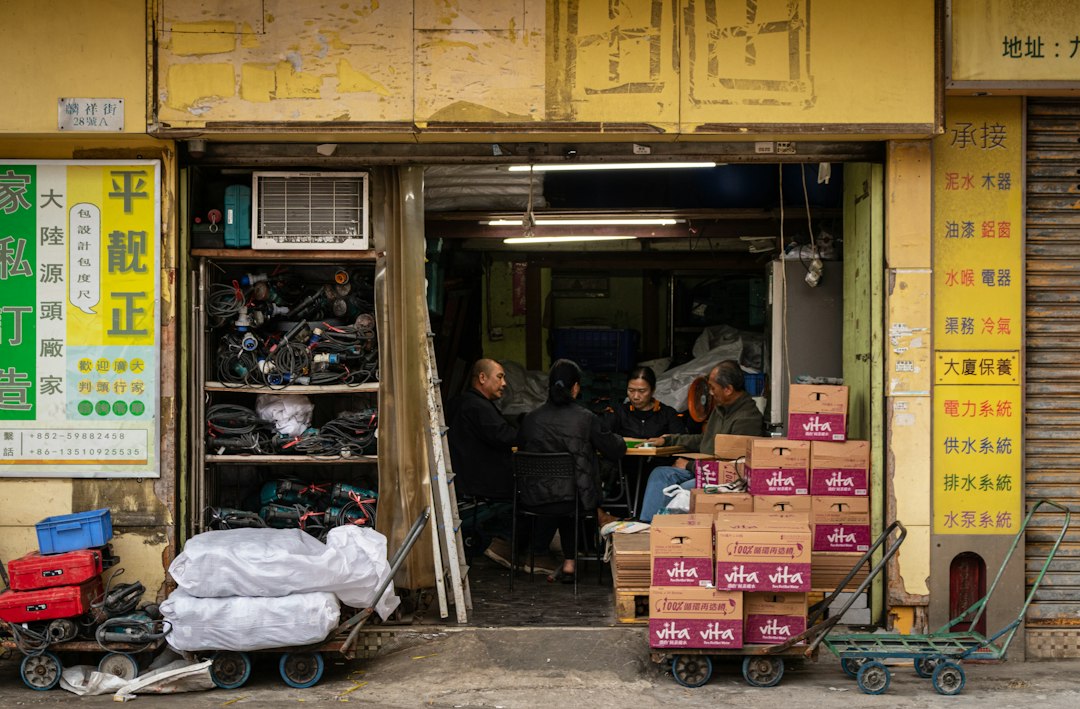
The US Consumer Product Safety Commission (CPSC) recently recalled approximately 740,000 stainless steel woks manufactured in China due to hazardous metal caps detaching during heating. This case highlights the increasing regulatory scrutiny on product safety and potential design flaws in Chinese manufacturing. For international buyers, understanding these compliance risks is vital for supplier vetting, risk mitigation, and ensuring adherence to strict US safety standards.
US CPSC Recalls 740,000 Chinese Woks: Critical Safety Compliance Lessons for Importers
A recent recall order from the U.S. Consumer Product Safety Commission (CPSC) has placed a specific category of Chinese-manufactured cookware under intense scrutiny. This incident serves as a stark reminder to global brand buyers and importers that product safety is not merely a regulatory checkbox—it is the foundation of brand viability in the North American market.
The affected product, sold at major retailers including Costco, Walmart, and Amazon for approximately $40 USD, resulted in the recall of over 740,000 units. The potential financial liability for the importer exceeds tens of millions of dollars. For sourcing professionals, this case highlights a critical imperative: how can importers eliminate safety hazards at the source during the selection and manufacturing phases?
Source: U.S. Consumer Product Safety Commission (CPSC)
Case Study: The Granitestone Diamond Pro Recall
On April 2, the CPSC announced the voluntary recall of approximately 740,000 units of the Granitestone Diamond Pro Blue Stainless Steel Wok Set (Recall ID: 26-377). The set includes two woks measuring 10 inches and 11.5 inches respectively, with UPC code 0-80313-08131-6. The products were manufactured in China, with E Mishan listed as the U.S. importer of record.
The root cause of the recall lies in a critical assembly defect: the metal caps securing the screws that attach the handle to the wok body may detach and pop off when exposed to heat. This failure poses significant risks of impact injuries and burns to consumers. According to CPSC data, there have been at least 98 reported incidents of these caps detaching, resulting in minor injuries to users.
The affected inventory was distributed between August 2021 and February 2026 through Costco physical stores and online platforms such as Costco.com, Walmart.com, and Amazon.com. Listings for these items have since been removed from all channels.
Under the CPSC’s remediation plan, consumers are eligible for a full refund from E Mishan. If every single one of the 740,000 recalled units is refunded, the total cost approaches $30 million USD (approx. 200 million RMB). This represents a catastrophic loss for both the Chinese OEM factory and the U.S. importer, underscoring the severe financial consequences of compliance failures.
Strategic Implications for Global Sourcing & QC
The U.S. market’s enforcement of safety standards is becoming increasingly rigorous. For importers and brand owners, a single safety incident can lead to:
- Immediate Product Removal: Listing suspensions across major e-commerce platforms.
- Financial Liability: Massive refund costs, legal fees, and potential punitive damages.
- Brand Reputation Damage: Long-term erosion of consumer trust and difficulty re-entering the market.
To mitigate these risks, sourcing teams must shift their focus from price-only negotiations to compliance-driven procurement. Key strategies include:
- Pre-Shipment Inspection (PSI): Implement strict AQL (Acceptable Quality Limit) sampling plans that specifically target structural integrity and hardware security (e.g., screw torque tests, heat resistance checks).
- Supplier Audits: Verify that OEM factories adhere to international safety standards (such as ASTM or ISO) and possess valid third-party test reports (e.g., SGS, Intertek, BV) before production begins.
- Contractual Safeguards: Ensure contracts explicitly state that the supplier bears liability for non-compliance-related recalls, including indemnification clauses.
For importers looking to secure reliable supply chains with verified compliance, attending industry exhibitions where factories present up-to-date safety certifications is crucial. Engaging directly with manufacturers who prioritize quality control can prevent costly surprises down the line.
Dispatch a Certified Quality Auditor to Your Factory for $199
Same-day dispatch across Guangdong, Zhejiang, and Jiangsu. Full 35-page PDF report with 60+ photos delivered within 24 hours.