US Design Patent Alert: 40 High-Risk Product Categories to Avoid When Sourcing from China
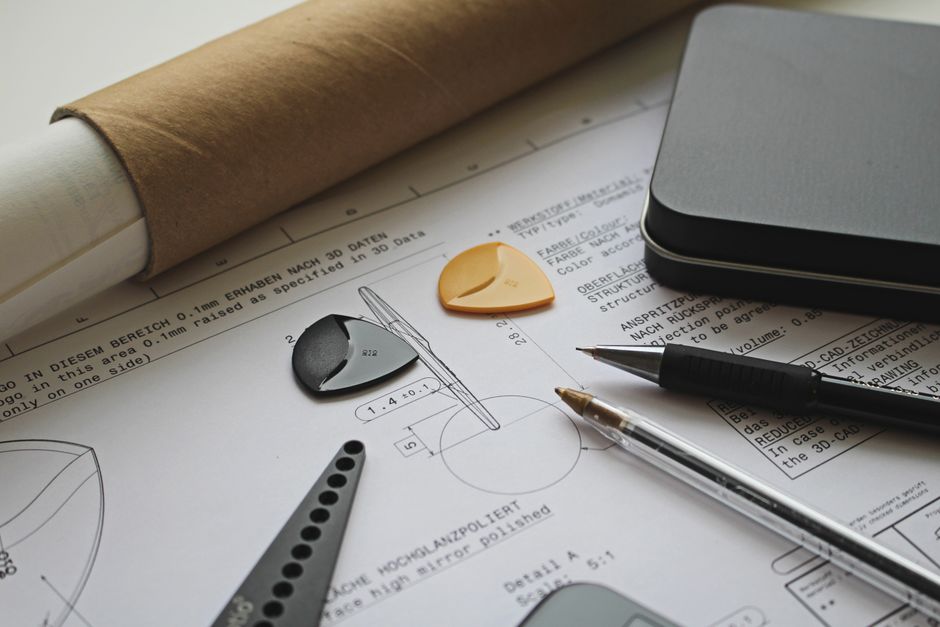
Foreign importers must verify USPTO design patents before placing orders. This analysis highlights 40 recently granted designs across toys, home goods, and pet supplies that pose significant IP infringement risks. Sourcing products with identical aesthetics to these patented items can lead to Amazon listing suspensions and legal action. Buyers should cross-reference their supplier catalogs against this list to ensure compliance and protect supply chain stability.
Executive Summary: Navigating the USPTO Design Patent Landscape
The United States Patent and Trademark Office (USPTO) has recently published a significant batch of newly enforced design patents. For global brand buyers, sourcing managers, and importers, this is not merely an administrative update—it is a critical risk alert. Design patents in the United States protect the ornamental appearance of an object, meaning that even if your product functions identically to competitors, a visually similar design can lead to immediate customs seizures, Amazon listing suspensions, or costly litigation.
This guide highlights 40 high-risk product categories identified in recent patent filings. These items span from children’s toys to home organization solutions. Sourcing teams must cross-reference their current procurement lists against these protected designs before finalizing orders with Chinese OEM/ODM manufacturers. Failure to do so exposes your supply chain to severe intellectual property (IP) liabilities.
High-Risk Category I: Children’s Toys & Outdoor Recreation
The toy sector remains one of the most heavily litigated areas for IP infringement. The recent USPTO data indicates a surge in design protections for interactive play items, particularly those involving electronic components, inflatable structures, and specific aesthetic forms. Importers sourcing from manufacturing hubs like Shantou (toys) or Ningbo (outdoor goods) must exercise extreme caution.
- Basketball Stands with Sports Nets: Specific structural aesthetics regarding the net attachment and backboard framing are now protected under US D1072979 S. Generic "look-alike" models are at high risk.
- LED Spiderweb Buckets: Decorative lighting products with unique woven LED patterns are protected under US D1072583 S. This affects seasonal holiday inventory significantly.
- Electric Water Guns: Ergonomic shapes and trigger mechanisms with distinct visual profiles are covered by US D1072966 S.
- Inflatable Floating Beds & Pool Floats: Unique contouring and surface textures for water recreation items are protected under US D1072991 S and US D1072989 S. Standard oval floats may be safe, but stylized animal or character-shaped floats require verification.
- Water Table Pumps: The external housing design of pump accessories for sensory play tables is protected under US D1072878 S.
- Knitted & Plush Toys: Specific stitching patterns, facial features, and body proportions for knitted (US D1072971 S) and plush (US D1072972 S) toys are strictly protected. "Generic" plush designs are increasingly difficult to source without infringing on subtle design nuances.
- Bath Toys & Game Stands: Visual designs for bath time accessories (US D1072960 S) and indoor game support structures (US D1072943 S) are also included in this high-risk cluster.
High-Risk Category II: Home Goods & Personal Accessories
Home decor and personal accessory markets are saturated with low-cost imports, making them prime targets for design patent enforcement. The following categories represent common items where visual similarity can trigger legal action. Buyers should audit their SKUs against these specific patent numbers.
- Aromatherapy Lamp Shades: The geometric or textured design of diffuser covers is protected under US D1073175 S.
- Hand-Held Containers: Portable storage solutions with specific handle geometries or lid mechanisms are covered by US D1073233 S.
- Cell Phone Holders: Desktop or mountable phone stands with unique hinge or base designs are protected under US D1072801 S.
- Electronic Candles: Flameless candle designs, including wax texture and wick simulation, are protected under US D1073168 S.
- Badge Holders & ID Wallets: The exterior layout, clip placement, and material segmentation of credential holders are protected under US D1072475 S.
- General Containers: Various household storage containers with distinctive silhouettes are covered under US D1072620 S.
- Cap Hooks & Floor Mats: Small hardware items like hat hooks (US D1072608 S) and decorative floor mats (US D1072526 S) are often overlooked but are actively enforced.
Strategic QC & Compliance Protocol for Importers
Knowing the patent numbers is only the first step. To mitigate risk, your supply chain team must implement a rigorous compliance workflow. Below is a recommended protocol for vetting suppliers and products.
1. Pre-Sourcing Due Diligence
- Patent Search Verification: Before issuing a Purchase Order (PO), use professional IP search tools or consult legal counsel to verify if the product’s design is currently under active US design patent protection. Do not rely solely on supplier assurances.
- Supplier Vetting: Ask your OEM/ODM partners directly if they hold any licenses for the designs they are producing. Reputable factories will provide proof of licensing or original design ownership.
2. Production Quality Control (QC)
- Prototype Approval: Insist on physical prototypes before mass production begins. Compare the prototype side-by-side with the patented design images available on the USPTO database. Any visual overlap is a red flag.
- Mid-Production Inspection: Conduct inspections during the production phase to ensure no unauthorized design modifications have been made that might inadvertently align with another protected design.
3. Final Random Inspection (AQL Standards)
- Visual Consistency Check: During the final AQL inspection, verify that the finished goods match the approved sample exactly. Deviations in shape, color, or texture can sometimes create new visual characteristics that may still infringe on other patents.
- Documentation Retention: Keep all communication records, design approvals, and patent clearance certificates. In the event of a dispute, this documentation proves "good faith" efforts to avoid infringement.
Conclusion: Proactive Risk Management
The landscape of international trade is increasingly defined by intellectual property rigor. With 40+ new design patents affecting common consumer goods, passive sourcing is no longer a viable strategy. By integrating patent checks into your standard operating procedures, VettedChina recommends that all global buyers adopt a proactive stance. Protect your brand reputation, safeguard your inventory investment, and ensure seamless customs clearance by verifying every design element before it leaves the factory floor.
Dispatch a Certified Quality Auditor to Your Factory for $199
Same-day dispatch across Guangdong, Zhejiang, and Jiangsu. Full 35-page PDF report with 60+ photos delivered within 24 hours.